


Choose your Country
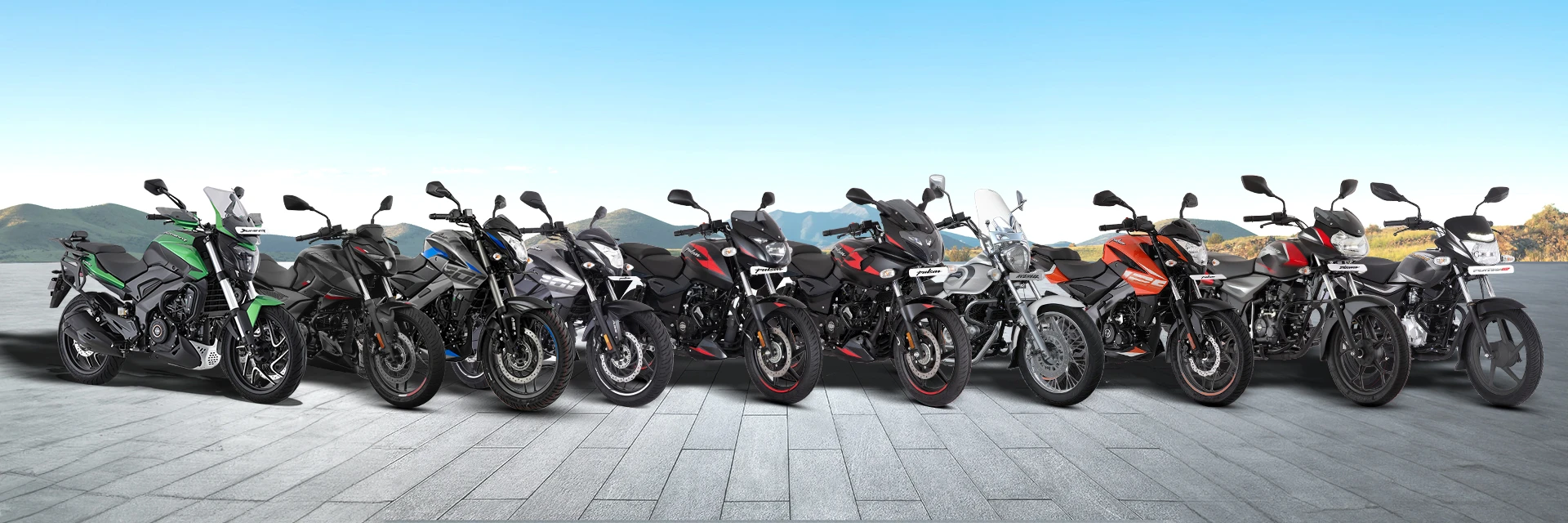
This guide walks you through the Pulsar lineup to help you pick the right model based on how and where you ride in Nepal.
Every rider in Nepal has a different story. Some navigate Kathmandu's packed lanes daily. Others head out to Pokhara or Nagarkot on weekends. And many do a bit of both.
Bajaj's Pulsar range has been familiar on Nepal's roads for years. But with several models available, choosing the right one means understanding your riding pattern and matching it to a bike's character.
Understanding Your Riding Pattern in Nepal
Nepal's roads are unpredictable. Within a single commute, you might move from smooth tarmac to gravel patches, ride uphill through narrow lanes, and sit through long traffic signals.
If your daily routine is city commuting, you need a bike that feels light and responsive in stop-and-go traffic. Routes through Kalanki, New Road, or Lalitpur demand quick starts and easy lane filtering.
If you regularly ride mixed routes stretching into semi-urban areas or short highway sections toward Bhaktapur, you need something that handles both low-speed manoeuvring and mid-range cruising.
For longer highway rides toward Chitwan, Lumbini, or along the Prithvi Highway, stability at sustained speeds becomes important. The bike needs to hold its composure over distance without tiring you out.
Engine Character and Riding Feel Across Pulsar Models
The Pulsar 150 uses a 149.5 cc air-cooled engine with 14 PS and 13.4 Nm. It is straightforward to understand and easy to manage in daily city traffic. With a 15-litre tank and 148 kg kerb weight, it feels balanced for routine commuting where predictability matters.
The Pulsar N150 keeps the 150 cc idea familiar but adds a more current feel. Its 149.68 cc air-cooled, fuel-injected engine makes 14.5 PS and 13.5 Nm. Practical upgrades include LED headlamps, a semi-digital console, single-channel ABS, and a USB charging port. At 145 kg with a 14-litre tank and 165 mm ground clearance, it suits riders who want everyday ease with modern touches.
The Pulsar 220F brings a 220 cc oil-cooled engine producing 21 PS and 18.55 Nm. The half-fairing and clip-on handlebars create a sportier posture, especially noticeable on longer stretches. A projector headlamp with LED DRLs, a 280 mm front disc with single-channel ABS, and a 5-way adjustable Nitrox rear shock support riders who like settling into the ride. With a 15-litre tank and 160 kg kerb weight, it fits those who often spend a longer time in the saddle.
The Pulsar N160 sits in the 160 cc space with a 164.82 cc oil-cooled, fuel-injected engine making 16 PS and 14.65 Nm. It stands out through equipment that feels more contemporary: a 37 mm USD fork, dual-channel ABS with Road, Rain, and Offroad modes, traction control, and a Bluetooth-enabled digital console. With a 14-litre tank and 154 kg kerb weight, it works for riders whose routes shift between city and open roads.
The NS200 uses a 199.5 cc liquid-cooled engine with 23.5 PS and 18.3 Nm, paired with a 6-speed gearbox. Liquid cooling supports steadier running during longer rides or hot valley days. Wider tyres, a 300 mm front disc, a perimeter frame, 176 mm ground clearance, and 145 kg kerb weight give it a planted, highway-ready feel while staying manageable on mixed surfaces.
The N250 steps up with a 249.07 cc oil-cooled, fuel-injected engine producing 24.5 PS and 21.5 Nm. It includes a 37 mm USD fork, dual-channel ABS with modes, traction control, an assist and slipper clutch, and a Bluetooth-connected digital console. With wider tyres, a 300 mm front disc, a 14-litre tank, and 164 kg kerb weight, it suits riders ready for more displacement and feature depth.
The NS400Z tops the lineup with a 373.27 cc liquid-cooled, DOHC 4-valve engine producing 40 PS and 35 Nm through a 6-speed gearbox. A 43 mm USD fork, dual-channel ABS with modes, traction control, LED projector headlamps with DRLs, and hydroform adjustable handlebars support a more demanding riding routine. Around 174 kg with a 12-litre tank, it is built for riders who want the widest displacement and tech envelope within the Pulsar family.
Comfort and Ergonomics
Riding comfort goes beyond the engine. How a bike fits your body and handles road imperfections determines how fresh you feel after a ride.
The Pulsar 150's upright posture and light frame make city commuting easy for hours. The 220F, with clip-on bars, leans you slightly forward, which suits spirited riding but may tire some riders over very long distances. Both share a seat height that is accessible for most riders.
The N160's USD fork filters road imperfections more effectively than the conventional telescopic forks on the 150 or 220F. This translates to a smoother feel on uneven urban roads. Its seat height keeps it comfortable across rider heights.
The NS200's monoshock rear and telescopic front provide balanced suspension for both city potholes and open-road cruising. Its streetfighter stance keeps things engaging without being uncomfortable for moderate distances.
When the Pulsar N160 Makes Sense
If your riding is split between daily commuting and occasional highway runs, the N160 fits that routine well. Its fuel-injected setup feels smoother in everyday use, especially if upgrading from older carbureted Pulsar models. Dual-channel ABS with Road, Rain, and Offroad modes can be reassuring during Nepal’s monsoon conditions, while traction control adds extra support. Bluetooth connectivity and a USB charging port suit riders who value modern convenience.
Choosing Between NS200 and N160 for Highways
Both can handle highway riding, but the feel is different. The NS200’s 199.5 cc liquid-cooled engine and 6-speed gearbox suit riders who prefer more relaxed spacing between shifts on longer stretches. The N160 leans on modern rider aids like dual-channel ABS modes and traction control, which the standard NS200 variant may not include. If you prefer gearing and cooling, choose NS200. If you prefer electronics and versatility, choose N160.
FAQ
1. How does the engine performance of the N160 compare to other Pulsar models?
The N160 has a 164.82 cc oil-cooled, fuel-injected engine producing 16 PS. It sits between the Pulsar 150's 14 PS and NS200's 23.5 PS, with a smoother character than the air-cooled 150.
2. What are the unique features of the N160 compared to the older Pulsar 150 and 220F?
It offers a USD fork, dual-channel ABS with three ride modes, traction control, Bluetooth console, and LED projector headlamps. These are absent on the 150 or 220F.
3. Which bike suits highway riding, NS200 or N160?
Both are capable. The NS200 has a liquid-cooled engine with a 6-speed gearbox. The N160 offers ABS ride modes and traction control. Your preference for headroom or electronics guides this choice.
Urban Ready: How the Pulsar N160 Performs in Daily City Rides
Know More
Everything You Need to Know About the Bajaj Pulsar NS125
Know More
Bajaj RE 4S Petrol in Nepal: Built for Everyday Commercial Transport
Know More
Bajaj Maxima Cargo in Nepal: Built for Heavy-Duty Performance
Know More
Bajaj Pulsar 150 TD: Built for Confident Everyday Riding in Nepal
Know More
Bajaj Dominar 400 in Nepal: Built for Touring, Tuned for Control
Know More
What to Check Before Buying a Sports Bike?
Know More
Bajaj Platina 100: A Practical Ownership Guide for Riders in Nepal
Know More
Pulsar N250: Power, Precision, and Street Performance Explained
Know More
Which Bike Type is Safest for New Riders?
Know More
What Riding Habits Damage Engine Life Fastest
Know More
BS6 Engine Technology in Bajaj Bikes Explained
Know More
Most Affordable 125cc Commuter Bikes in Nepal
Know More
What happens if the tyre pressure is Too Low?
Know More
Pulsar N150 in Nepal: Performance Commuting Redefined
Know More
Pulsar 150 in Nepal: Reliable Power for Nepal’s Daily Riders
Know More
Bajaj Pulsar NS200 in Nepal: The Safest and Sportiest Pulsar
Know More
Bajaj Pulsar N125 vs NS125: Which Bike Should You Choose?
Know More
How to Choose a Bike Based on Your Riding Style
Know More
Bajaj Pulsar 125: A Practical Guide for Long-Lasting Performance
Know More
Bajaj Pulsar N125: Keep Your 125cc Streetfighter Running Strong
Know More
Bajaj Pulsar NS125 Maintenance Tips: Keep Your Streetfighter Sharp Every Day
Know More
Bajaj Pulsar N150 Maintenance Tips: A Complete Guide for Long-Term Performance
Know More
Bajaj Pulsar 150 Maintenance Tips: A Complete Ownership Guide
Know More
Bajaj Pulsar N160 Maintenance Tips: A Practical Guide for Long-Term Performance
Know More
Bajaj Pulsar NS200 Maintenance Tips: A Practical Guide for Long-Term Performance
Know More
Bajaj Pulsar 220F Maintenance Tips: Keeping a Legend Performance-Ready
Know More
Pulsar N250 Maintenance Guide: Everyday Care for Consistent City Performance
Know More
Bajaj Pulsar NS400 Z Maintenance Tips: Keep Your Performance Sharp on Every Ride
Know More
Dominar 400 Maintenance Tips for High-Speed Highway Performance
Know More
Bajaj Discover 125 Maintenance Guide: Keep Your Bike Reliable Every Day
Know More
Bajaj Avenger 220 Cruise Maintenance Guide: Keep Your Ride Smooth on Every Highway
Know More
Bajaj Avenger 160 Maintenance Tips: A Practical Guide for Everyday Riders
Know More
Platina 100 Maintenance Tips: A Complete Guide for Owners in Nepal
Know More
The Complete Guide to the Pulsar N160: Features, Performance & Technology
Know More
Evolution of Pulsar N160 – A Dream Motorbike for Riders
Know More
Is the Pulsar N160 Worth It? Ownership Experience & Long-Term Value
Know More
Bajaj Pulsar NS400 Z: A Daring Approach to a Thrilling Performance
Know More
Dominar 400: Built for Power, Engineered for Touring
Know More
Bajaj Pulsar 220F: Performance and Riding Experience in Nepal
Know More
Bajaj Pulsar N125: What Makes This 125cc a Smart Choice in Nepal
Know More
Bajaj Pulsar N250: Real-World Performance on Nepal’s Roads
Know More
Pulsar NS125: Streetfighter Performance, Aggressive Design and Thrill-Focused Riding
Know More
Pulsar 125: How Far Can This Sporty 125cc Really Take You?
Know More
The Streetfighter That Owns Every Street: Pulsar NS125
Know More
Aggressive Performance Meets BS6 Efficiency with Bajaj Pulsar NS125
Know More
Bajaj Dominar 400: Power, Touring Capability & Complete Value Explained
Know More
Bajaj Pulsar 125 in Nepal: Sporty Performance with Everyday Practicality
Know More
Bajaj Discover 125 ST: Everyday Performance with Practical Comfort
Know More
Bajaj Discover 125 ST in Nepal: Everyday Performance with Practical Comfort
Know More
Bajaj Pulsar N125 in Nepal: The New Urban Performer in the Pulsar Lineup
Know More
Bajaj Pulsar N150 in Nepal: The Ultimate Balance of Power and Comfort
Know More
Bajaj Pulsar N160 in Nepal: Nepal’s Favourite Mix of Power and Practicality
Know More
Bajaj Pulsar 150 TD in Nepal: Where Performance Meets Confidence Every Day
Know More
Bajaj Discover 125 in Nepal: Smart Commuting with Everyday Reliability
Know More
Bajaj Pulsar 150 TD in Nepal: Everyday Riding with Pulsar Performance
Know More
Bajaj Pulsar 125 in Nepal: Performance That Fits Everyday Riding
Know More
Bajaj Avenger 160 Street: Where Comfort Meets Dependable Performance
Know More
Everyday Cruising Made Easy with the Bajaj Avenger 160 Street
Know More
Bajaj Avenger 220 Cruise: Where Comfort Takes the Lead
Know More
Why the Bajaj Discover 125 Is a Smart Choice for Daily Use
Know More
Exploring the Bajaj Pulsar 220F: A Practical Sporty Motorcycle
Know More
Bajaj Pulsar N150: A Bold New Evolution of the Pulsar Legacy
Know More
Why the Bajaj Pulsar 220F Remains a Trusted Sporty Commuter
Know More
Bajaj Pulsar N160: Balanced Performance and Everyday Control
Know More
Inside the Bajaj Pulsar N160: How it Is Designed for Safer, Smarter Riding
Know More
Bajaj Pulsar NS125 BS6: A Sporty 125cc Motorcycle Designed for Real Roads
Know More
Bajaj Pulsar N150: Refined Performance with Everyday Riding Confidence
Know More
Bajaj Pulsar N250: Where Performance Meets Modern Rider Technology
Know More
Bajaj Platina 100 ES: Smart Commuting Made Easy with Comfort and Efficiency
Know More
Everyday Riding Meets Pulsar Performance: Bajaj Pulsar 125
Know More
Bajaj Pulsar NS400 Z: A New Benchmark in Pulsar Performance
Know More
Bajaj Pulsar N125: Smart Performance and Youthful Street Style
Know More
Inside the Bajaj Pulsar NS200: Power, Technology, and Streetfighter DNA
Know More
Top Bike Buying Tips You Must Know Before Making a Decision
Know More
Bajaj NS Series: Complete Price List in Nepal 2025
Know More
Motorcycle Price Guide in Nepal 2025: Bajaj Models
Know More
Complete NS 200 Price Guide in Nepal
Know More
Command the Streets: Bajaj Pulsar NS's Dominant Design
Know More
Best Bikes for Nepal's Terrain: NS 200 Performance
Know More
NS 400 Price in Nepal: Ultimate Power Bike Guide
Know More
Best Mileage Bajaj Bikes in Nepal
Know More
Bike Maintenance Tips for Beginners
Know More
ABS in Bikes: Everything You Need to Know
Know More
Tube vs Tubeless Tyres in Bikes – What's Best for You?
Know More
Affordable Excellence: Platina's Ownership Economics
Know More
Bajaj Pulsar N125: The Ultimate Urban Commuter for Kathmandu’s Streets
Know More
From City Streets to Open Roads: Discover's Versatility
Know More
Street Style Icon: Pulsar's Urban Design Language
Know More
Cruiser Dreams Made Affordable: The Bajaj Avenger Value
Know More
Ultimate Comfort: The Avenger Cruiser Experience
Know More
Engineering Excellence: Dominar's Performance DNA
Know More
Your First Taste of Power: The Pulsar Entry Experience
Know More
Power Statement: Dominar as Your Success Symbol
Know More
Flagship Technology: NS400's Premium Engineering
Know More
Conquer Any Road: 220F's All-Terrain Adaptability
Know More
City Slicker: N-Series Urban Agility Advantage
Know More
Arrive in Style: NS400 as Your Achievement Milestone
Know More
Bajaj Pulsar N125: Premium Features at an Affordable Price in Nepal
Know More
Bajaj Pulsar 160 NS ABS - The New Look of Power
Know More
New Upgraded Dominar 400 - What’s new on it?
Know More
Best 6 short destinations to go on a motorbike ride near Kathmandu
Know More
7 Basic things you should know while doing Bajaj Bike Servicing
Know More


